Monday, July 23, 2018
Thursday, February 22, 2018
Friday, February 2, 2018
Wednesday, September 28, 2016
Saturday, July 9, 2016
Wednesday, September 9, 2015
one more step for effective neuro rehabilitation.................wooble board
varsha physiotherapy has took one step forward towards its goal of making the best neuro rehabilitation by adding wooble board to the clinic, we feel wooble board can help us in providing effective rehabilitation for patients with neurological problems
who can benifit?
who can benifit?
- patients with cerebellar lesions
- stroke(hemiplegia)
- sensory motor neuropathy
- parkinsons disease
- all other neuro problems involving loss of coordination and balance
- ankle injury patients can also be benifited a lot through increasing strength and stability of the ankle
Friday, July 17, 2015
nice video to understand plantar fascitis
Experiencing persistent pain and stiffness
in the bottom of the heel or foot?
The
cause of this either sharp or dull discomfort could be plantar fasciitis,
inflammation of the thick tissue, or fascia that runs along the bottom of the
foot. Common among distance runners with chronically tight hamstrings, back,
calves and Achilles tendons, or those who run in shoes without proper arch
support.
In addition to stopping or reducing running, Dr.krishi recommends completing this daily regime until
the pain subsides.
1. Stretch the fascia. Put your toes up against a wall, keeping your arch
and heel flat so the toes stretch. Hold for a count of 10. Repeat 10 times
three or four times per day.
2. Roll a frozen water bottle under the arch. “Stretch first
then roll out the arch for 10 minutes;
3. Lift your arch. “Get a commercial insole with an
arch lift to push on the plantar and
keep it from flexing; the plantar fascia needs to be supported and strengthened,”
“Wear the support in
all shoes, if possible.”
Sunday, July 5, 2015
PHYSIOTHERAPY BENEFITS FOR BACK PAIN
After an episode of low back pain has lasted between
two and six weeks, or if there are frequent recurrences of low back pain,
physical therapy is often recommended. Some spine specialists consider physical
therapy sooner, particularly if the pain is severe.
In general, the goals of physiotherapy are to decrease
pain, increase function, and provide education on a maintenance program to
prevent further recurrences.
A physiotherapy program for back pain
usually has two components:
- Reduce the patient's pain to a more manageable level
- Active exercises
1.
Reduce the patient's pain to a more manageable level
Acutely, the physiotherapist will focus on decreasing pain with passive
physical therapy (modalities). These therapies are considered passive because
they are done to the patient. Examples of modalities include:
- Heat/ice packs
- S.w.d
- I.F.T
- Ultrasound
- TENS unit
2.
Active exercises
Active exercise is also necessary to
rehabilitate the spine. Generally, a patient's back exercise program should be
a combination of the following:
Stretching for back pain exercises
Almost every individual who has suffered from low back pain should stretch their hamstring muscles once or twice daily. Simple hamstring stretching does not take much time, although it can be difficult to remember, especially if there is little or no pain. Therefore, hamstring stretching exercises are best done at the same time every day so it becomes part of a person's daily routine. There are many more stretches that can be done to alleviate lower back pain
Strengthening
for back pain exercise
To strengthen the back muscles, 15 to 20 minutes of lumbar stabilization or other prescribed exercises should be done every other day. Core muscle strengthening is also important in lower back pain treatment. It is important to perform the exercises correctly in order to see benefits, so they are best learned with the help of a physiotherapist
Even patients with a very busy schedule
should be able to maintain a moderate back pain exercise regimen that consists
stretching and strengthening.
NOTE: PLEASE FORWARD THIS ARTICLE TO ANYBODY SUFFERING
FROM BACK PAIN
Thursday, May 21, 2015
HOME CARE FOR BACK PAIN IN YOUNG ADULTS
ONE OF THE MOST COMMON BACK PAIN IN YOUNG ADULTS IS THE ACUTE BACK STRAIN, USUALLY CALLED THE BACK CRAMP,
PEOPLE OFTEN VISIT PHYSIOTHERAPISTS, ORTHOPAEDITION AND OTHER GENERAL PRACTITIONERS FOR ACUTE BACK CRAMP WHICH IS VERY MUCH HANDLED IN HOME ITSELF THROUGH SOME SIMPLE EXERCISE AND PROPER REST
KNOWLEDGE OF PAIN MANAGEMENT CAN BE VERY HELPFUL IN MOST OF THE CASES.
ACUTE BACK STRAIN IS VERY COMMON FOR YOUNG ADULTS, WHO ATTEMPT TO BEND AND LIFT HEAVY OBJECTS IN AN INAPPROPRIATE WAY,PATIENT FEELS SUDDEN ONSET OF SEVERE PAIN AND UNABLE TO RELAX HIMSELF,BUT THE PAIN WILL BE INCREASING
ABSOLUTE BED REST WITH A PILLOW UNDER HIS KNEES FOR A PERIOD OF 1 TO 2 HOURS WITHOUT MOVING IS THE BEST TREATMENT,AT THAT POINT OF TIME, MOVING THE BACK MAKES THE MUSCLES WORK MORE LEADING TO MORE PAIN, RATHER TRY TO RELAX THE BACK MUSCLES AS MUCH AS POSSIBLE.
ICING IS VERY HELPFUL FOR REDUCTION OF PAIN IN ACUTE CASES
LYING ON FIRM BED IS HELPFUL
CHECK FOR PAIN AFTER 4 HOURS,CONSULT YOUR PHYSIO IF PAIN EXISTS FURTHER
PEOPLE OFTEN VISIT PHYSIOTHERAPISTS, ORTHOPAEDITION AND OTHER GENERAL PRACTITIONERS FOR ACUTE BACK CRAMP WHICH IS VERY MUCH HANDLED IN HOME ITSELF THROUGH SOME SIMPLE EXERCISE AND PROPER REST
KNOWLEDGE OF PAIN MANAGEMENT CAN BE VERY HELPFUL IN MOST OF THE CASES.
ACUTE BACK STRAIN IS VERY COMMON FOR YOUNG ADULTS, WHO ATTEMPT TO BEND AND LIFT HEAVY OBJECTS IN AN INAPPROPRIATE WAY,PATIENT FEELS SUDDEN ONSET OF SEVERE PAIN AND UNABLE TO RELAX HIMSELF,BUT THE PAIN WILL BE INCREASING
ABSOLUTE BED REST WITH A PILLOW UNDER HIS KNEES FOR A PERIOD OF 1 TO 2 HOURS WITHOUT MOVING IS THE BEST TREATMENT,AT THAT POINT OF TIME, MOVING THE BACK MAKES THE MUSCLES WORK MORE LEADING TO MORE PAIN, RATHER TRY TO RELAX THE BACK MUSCLES AS MUCH AS POSSIBLE.
ICING IS VERY HELPFUL FOR REDUCTION OF PAIN IN ACUTE CASES
LYING ON FIRM BED IS HELPFUL
CHECK FOR PAIN AFTER 4 HOURS,CONSULT YOUR PHYSIO IF PAIN EXISTS FURTHER
Wednesday, June 4, 2014
VACANCY FOR B.P.T(FEMALE) IN VARSHA PHYSIOTHERAPY CLINIC
A SUDDEN RESIGNATION OF A FULL TIME BPT(PHYSIOTHERAPIST), HAS LEAD TO A VACANCY IN THE CLINIC,
CLINIC IS LOOKING FOR A BPT(FEMALE) GRADUATE WHO CAN WORK WITH DEDICATION AND SINCEARITY IN THE CLINIC
FRESH GRADUATES TOO CAN APPLY..............
INTERESTED CANDIDATES PL SEND RESUME TO krishiphysio@gmail.com
www.varshaphysiotherapy.com
CLINIC IS LOOKING FOR A BPT(FEMALE) GRADUATE WHO CAN WORK WITH DEDICATION AND SINCEARITY IN THE CLINIC
- WILLING TO WORK IN SHIFT PATTERN 6 HOURS A DAY ARE VERY MUCH WELCOME TO THE CLINIC,
- CANDIDATE SHOULD UNDERGO A INTERVIEW BEFORE APPOINTMENT
FRESH GRADUATES TOO CAN APPLY..............
INTERESTED CANDIDATES PL SEND RESUME TO krishiphysio@gmail.com
www.varshaphysiotherapy.com
Thursday, April 3, 2014
VARSHA PHYSIOTHERAPY LAUNCHES A WEBSITE
VARSHA PHYSIOTHERAPY HAS LAUNCHED A NEW WEBSITE
"WWW.VARSHAPHYSIOTHERAPY.COM"
VARSHA PHYSIOTHERAPY HAS TAKEN ONE MORE STEP TO SERVE YOU BETTER, PROVIDING MORE INFORMATION ABOUT THE CONDITIONS TREATED AND SERVICES OFFERED IS THE OBJECTIVE OF THE WEBSITE
we promise that we are going to provide more information about physiotherapy and health related subject in the website
Friday, January 10, 2014
Physiotherapy works: Stroke
Physiotherapy is clinically effective
and cost-effective in the treatment of people who have had a stroke.
Stroke is
the largest cause of complex disability in the India, and approximately
one-third of stroke survivors are left with disability and rehabilitation
needs.
Physiotherapists
play a pivotal role at every stage of the patient pathway, helping individuals
to reach their full physical potential and functional ability and to
reintegrate into society.
Within a
multidisciplinary team, physiotherapists rehabilitate patients from acute care
to the home setting, and provide long-term community support.
How can physiotherapy help?
The first
priority is that your condition is medically stable, once this has occurred
your focus can shift to rehabilitation. Your rehabilitation will delivered by a
multi-disciplinary team, this could include physiotherapy, speech therapy and
occupational therapy.
Rehabilitation
usually starts in the first few days after a stroke - while you are still in
hospital. Your physiotherapist's role will be to help return as much normal
function as possible so you can continue to do the things you enjoy in life.
Rehabilitation
will be influenced by the severity of your stroke and the resulting problems.
It may include:
Helping you
relearn how to perform basic movements, such as getting out of bed and walking.
Specific
exercises to aid in your recovery by strengthening weak muscles, improving your
balance and teaching you new ways to complete tasks.
Teaching you
how to use any equipment that may be needed to help keep you safe.
Long term recovery
How long it
takes to recover depends on the severity and location of your stroke and your
access to treatment. Everyone experiences different problems and recovers at
different rates. When the hospital based rehabilitation service feels you are
safe to go home you may be referred to physiotherapy.
A
physiotherapy programme can help you with many symptoms that are common after a
stroke.
"Dr.krishi says patients get much benefit if they consult a neuro-physiotherapist, as they are well equipped and highly skilled for post-stroke rehabilitation."
Common
symptoms that you may experience:-
Lack of energy - this is because your body is
recovering from an injury to your brain. Relearning new skills also makes you
more tried as they require so much concentration. Breaking tasks into much
smaller steps can help with this as can increasing your activity slowly rather
than in large steps, and remember to schedule in regular rest breaks if you
need them.
Weak muscles – sometimes your arm and/or leg can
feel weak or difficult to move.. Specific exercises, prescribed by a physio,
can help you regain your muscle power and control.
Lack of sensation - after a stroke parts of your body
may feel numb or just different to normal. Gentle massage (soft touch) can help
as can exposing your skin to different textures and temperatures to help
normalise sensation.
Balance- you might feel unbalanced or
unsteady while moving around. A physio can advise on how to walk safely and
improve your balance; this could include daily walking practice or making your
home safer e.g. removing rugs that you may trip over. Sometimes a walking frame
or stick is given to help you move around independently.
It's also
important to note that after a stroke you are more at risk of having a fall.

Saturday, November 9, 2013
DO NOT NEGLECT TO START PHYSIOTHERAPY AS EARLY AS POSSIBLE FOLLOWING STROKE
What is a stroke?
A stroke is a sudden 'brain attack' that occurs when the blood flow to part of the brain is cut off. Usually, this is due to a blood clot.
Stroke is the largest cause of complex disability in the INDIA, and approximately one-third of stroke survivors are left with disability and rehabilitation needs for rest of their life...........so, do not neglect to start physiotherapy as early as possible,
because...................................
In the first few weeks after a stroke the swelling and inflammation around the damaged brain tissue settles down. Some symptoms may then improve. In time, sometimes other parts of the brain can compensate for the damaged part of the brain. With rehabilitation and appropriate therapy, there may be a gradual improvement.
Of those people who survive a stroke, about 3 in 10 are fully independent within three weeks. This rises to about 5 in 10 within six months. However, it is common for some degree of disability to remain.
so, consult your neuro-physiotherapist soon after discharge from hospital.
Wednesday, November 21, 2012
Protect Your Back at Work
MANY OF US ARE WORKAHOLICS (ADDICTED TO WORK), we sit through most of our day, often in the
same position, hour after hour, talking on the phone and staring at computer
screens.
Most of us let our chests fall forward and
slump when we sit, which dramatically increases the pressure on the spine.
“Sitting hurts your back more than
standing,”
Dr.krishi
says it is more imp to have common sense than excess subject knowledge
·
Position your computer properly. You should be seated at eye level to your
screen, so that you don’t have to look too far down or too far up to do your
work.
·
Sit smart. You don’t necessarily need the perfect, custom ergonomic
chair, “There are lots of expensive, ergonomic chairs, but nothing replaces
common sense.” Get a chair that provides support for your middle and lower
back. “If your knees are at 90 degrees and your spine is at a neutral posture,
that’s the right position for you.”
·
Use a footrest. “If your
feet are supported on something, it makes it easier to rest on your back
·
Take a break. Set a timer on your computer and, every 45-50
minutes, get up for a few minutes to stretch and walk around. When you sit back
down, make sure you’re getting into a supported position with a neutral spine
-- neither slumped forward nor pushed back.
If you don’t work at a desk and you stand or lift
things a lot at work……….. One of the most important things for someone who
stands a lot, whether you’re a clerk or a college professor, is wearing the
correct kind of shoe.
Whether you’re delivering a lecture or a sales
person, you should also keep a small footrest near you, where you can put one
foot up to unweight one side of the body, then switch.
Tuesday, November 6, 2012
BEST HEIGHT INCREASING EXERCISES
Are
you looking to grow a few more inches taller? ...............YES?
Then it is time to get yourself involved in some height increasing
exercises that will surely help you gain at least 3 - 4 inches in a short span
of time, if you do them regularly. Actually, there is not secret to these
exercises as they're all based on logical and scientific methods that will help
you gain height. Let's take a look at them now.
- Stretches - You might have definitely done stretches before; they're the most effective warm up for any type of workout. It is recommended that you do the stretches for at least 15 minutes every day. Car stretch, cobra stretch, the bridge, the table, bow down, super stretch, twists and basic leg stretches is a great way to start with.
- Hanging exercises - Hanging exercises can be done by everyone. Initially it might be tough but with time you will be able to master it. It is really simple - hanging on a bar with your arms and spine stretching for 10 seconds will give you amazing results. Do this for 2 minutes every day (10 seconds x 12 times) and you'll know the magic it can do.
- Swimming - If you don't know swimming just go and learn it because this is something you should not miss out on. Swimming for a couple of hours at least 5 hours a week will start doing wonders to your height. Breast stroke is considered to be the best swimming exercise to get your height increased. Why breast stroke? Because it is a whole body exercise and it is more intense than any other exercise because you're doing it on water. So when you use your body, legs and arms to the fullest, they're going to develop muscle strength which will lengthen them within weeks.
All
these height increasing exercises work 100% no matter how old you are, because
many people have started seeing positive results within days
“Don't go for
surgery or pills because it is important that you increase height naturally”
Friday, August 31, 2012
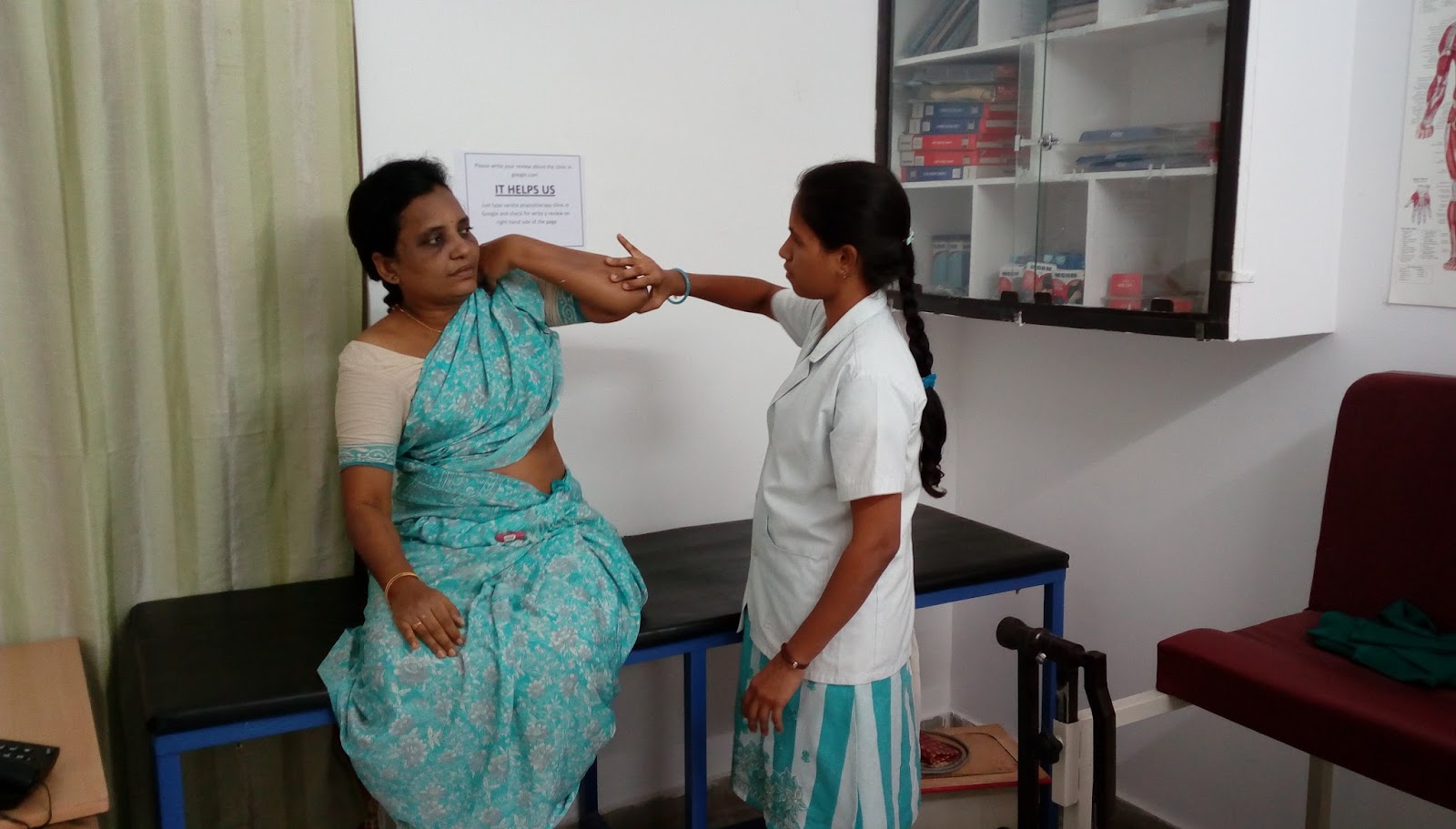
frozen shoulder
Frozen shoulder is one of the very commen conditions dealed by physiotherapists.............
Our clinic(varsha physiotherapy) has treated many patients of frozen shoulder.............
It is surprising to know that 20% of our patients till date are of shoulder problems, mostly frozen shoulder..........................
Adhesive capsulitis or frozen shoulder typically develops in three stages, with each stage usually lasting three to four months
.
Freezing Stage: During this stage, pain can occur with any movement or while at rest. It may be difficult finding a comfortable sleeping position.
Frozen Stage: Pain may begin to diminish during this stage; however, shoulder range of motion also begins to decrease. Patients may notice they are not able to reach into their back pocket or comb the back of their hair.
Thawing Stage: During this stage the condition slowly improves and range of motion is slowly regained.
Consult your physiotherapist for the best treatment of the condition as early as possible to avoid night pain
Our clinic(varsha physiotherapy) has treated many patients of frozen shoulder.............
It is surprising to know that 20% of our patients till date are of shoulder problems, mostly frozen shoulder..........................
Not all patients have the same etiology(cause of the problem), but most of them have a predisposing factor of diabetis, and mostly female.......
All these have been proved facts,
But most patients tell me that they have severe pain at night and they feel comfortable when they sleep on effected side(on the pain ful shoulder)..........
now this is the point of discussion......please dont do that
IT MAY WORSEN YOUR CONDITION
Adhesive capsulitis or frozen shoulder typically develops in three stages, with each stage usually lasting three to four months
.
Freezing Stage: During this stage, pain can occur with any movement or while at rest. It may be difficult finding a comfortable sleeping position.
Frozen Stage: Pain may begin to diminish during this stage; however, shoulder range of motion also begins to decrease. Patients may notice they are not able to reach into their back pocket or comb the back of their hair.
Thawing Stage: During this stage the condition slowly improves and range of motion is slowly regained.
Consult your physiotherapist for the best treatment of the condition as early as possible to avoid night pain
Tuesday, August 7, 2012
What can you do to reduce heel pain?
“Getting out of bed each
morning was painful,” recalls a patient of her yearlong experience with heel
pain when she first visited me………………………
. “As I place my foot on the
floor, I could feel a sharp pain in my heel and could only drag about the
room. It would loosen up after a few minutes, but my foot would continue to
hurt as I went through the day.”
Heel pain with the first
steps getting out of bed in the morning, or when standing from a seated
position, are the most characteristic symptoms of plantar fasciitis
Plantar
Fasciitis Causes Heel Pain
The plantar fascia is a tough, fibrous tissue band running under the soles of your feet, and connects the heel bone (calcaneus) to the base of the toes. It also helps support the arch of the foot in its role as a shock absorber. An injury or continuous irritation of this tissue causes plantar fasciitis and the resulting heel pain.
Treatment Options
The following self-care measures may help reduce symptoms.
Stop all sports and rest the foot.
§ Stretching the plantar fascia and Achilles
tendon is effective in reducing symptoms.
§ Use shoes with better heel cushioning, or
include a heel cup for pain relief.
§ Apply ice to the heel. Freeze a plastic bottle
of water and roll your foot over it.
§ Limited use ofl anti-inflammatory medications
is helpful.
§ Different types of day or night wear splints
keep your plantar fascia stretched, and relieve pain.
Wednesday, August 1, 2012
TOP TEN TIPS FOR GOOD POSTURE
What is the Ideal Posture.............?
There is a lot of guidance about what the ideal posture
is.................
Sorry readers I won’t bore you by giving lot of lectures
on so called Ideal Posture
What is important to remember is that: even if it is
possible to maintain this ‘ideal’ posture for long periods, this will still
place sustained stress on certain structures in the body,
So what is absolutely important is to:
"Stand up, move and change position!"
Here are some easy tips you can practice to achieve
good posture.
1.
Be ergonomically
smart: At the workplace, use an ergonomic chair, support your lower back with a
small cushion and ensure that your legs reach the floor or the foot rest
comfortably. Knees should be at level or slightly higher than the hips, and the
elbows must rest on the armrest.
5. If you’re standing for long periods of time, shift your body weight from one leg to another or rock to and fro from heels to toes at regular intervals. If possible, use a small stool to rest each foot on the stool for a while and change over.
7. When it comes to getting a good night’s rest, your mattress and pillow play an important role. Choose a firm but not hard mattress that supports your body but doesn’t sink in. Use a soft or small pillow for neck support. Beware: Using more than one pillow can strain your neck muscles.
8. A good sleeping posture to adopt is to sleep on the back or on your side. A cushion placed under the knees while sleeping on the back is recommended. If you’re sleeping on one side, place the cushion between your knees so that the knees do not touch. This helps balance the body’s weight, and prevents stress.
9. While lifting heavy weights, hold it close to the chest. While bending, keep your back straight and bend from the knees, and not from the waist. When carrying a handbag on one shoulder, keep it light and sling it on alternate shoulders to avoid strain on one shoulder.
10. While driving, keep your back firmly on the back-rest of your seat. Also, remember to adjust the seat so that your legs can comfortably reach the pedals. Ensure that the back of the head touches the middle of the headrest.
Subscribe to:
Posts (Atom)